Tumor Resection & Jaw Reconstruction
Dr. Krajekian provides comprehensive surgical treatment for benign and malignant tumors of the jaws and face, including resection and immediate reconstruction to restore form and function.
Conditions Treated
Benign Tumors and Cysts
- •Ameloblastoma
- •Keratocystic odontogenic tumor
- •Giant cell tumors
- •Dentigerous cysts
- •Radicular cysts
- •Aneurysmal bone cysts
Malignant Tumors
- •Squamous cell carcinoma
- •Osteosarcoma
- •Mucoepidermoid carcinoma
- •Adenoid cystic carcinoma
Other Pathology
- •Osteonecrosis of the jaw (MRONJ/ONJ)
- •Osteoradionecrosis
- •Fibrous dysplasia
Virtual Surgical Planning for Oncologic Surgery
VSP technology is critical for tumor surgery, allowing:
Pre-operative Planning
- •3D tumor mapping and margins
- •Reconstruction planning with exact dimensions
- •Custom cutting guides for resection
- •Pre-planned reconstruction
Custom Surgical Guides
- •Precise resection margins
- •Accurate defect dimensions
- •Optimal reconstruction positioning
- •Reduced surgical time
Reconstruction Options
Titanium Reconstruction
- •Custom 3D-printed mandible plates
- •Bridging large defects
- •Maintains facial contour
- •Future implant rehabilitation possible
Bone Grafts
- •Free fibula flap (with microvascular surgery)
- •Free scapula flap
- •Iliac crest bone graft
- •Rib graft
Soft Tissue Reconstruction
- •Local tissue flaps
- •Regional pedicled flaps
- •Free tissue transfer
- •Custom prosthetics
The Modern Reconstruction Workflow
Step 1: Tumor Mapping
3D imaging precisely defines tumor extent and planned margins.
Step 2: Virtual Resection
The defect is planned virtually with appropriate oncologic margins.
Step 3: Reconstruction Design
The reconstruction (graft, plate, or prosthesis) is designed to exactly match the defect.
Step 4: Guide Manufacturing
Custom guides are 3D printed for both resection and reconstruction.
Step 5: Single-Stage Surgery
Resection and reconstruction performed simultaneously with custom guides.
Dental Rehabilitation
Following jaw reconstruction, many patients can receive dental implants:
- •VSP-planned implant positions
- •Implants placed during reconstruction when possible
- •Staged implant placement
- •Fixed or removable prosthetics
Post-Operative Care
Hospital Stay (3–7+ Days)
- •IV antibiotics and pain management
- •Feeding tube may be necessary initially
- •Drain removal typically 2–3 days
- •Speech and swallow therapy begins
Weeks 1–2
- •Liquid or pureed diet (tube feeding if needed)
- •Wound care and oral hygiene protocols
- •Keep head elevated
- •Pain management transition to oral medications
Weeks 2–6
- •Gradual diet advancement as tolerated
- •Continue meticulous wound care
- •Physical and occupational therapy
- •Speech therapy if indicated
- •Oncology follow-up for radiation planning if needed
Months 2–6
- •Bone and soft tissue healing
- •May begin radiation therapy (if indicated)
- •Continued therapy and rehabilitation
- •Monitor for recurrence
Long-Term
- •Regular oncology surveillance
- •Dental rehabilitation planning
- •Prosthetic fitting if indicated
- •Lifelong follow-up care
Key Benefits
- •VSP for precise resection margins
- •Immediate reconstruction options
- •Custom 3D-printed hardware
- •Minimized surgical time
- •Coordinated multidisciplinary care
- •Dental rehabilitation pathway
Recovery Time
4-8 weeks initial; 6-12 months for complete healing
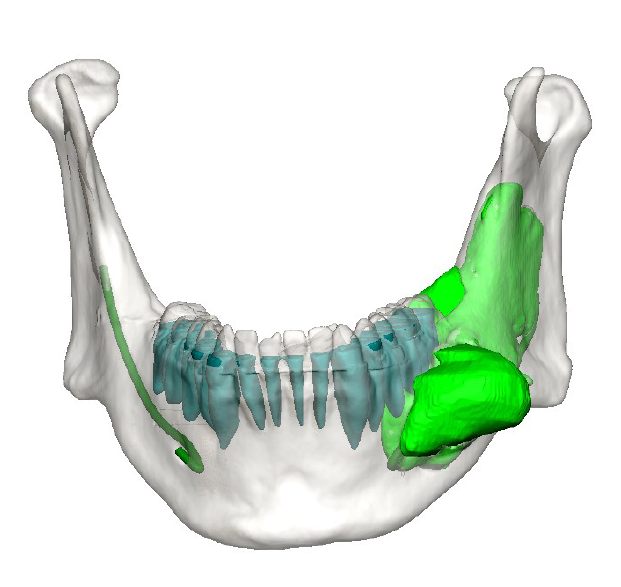
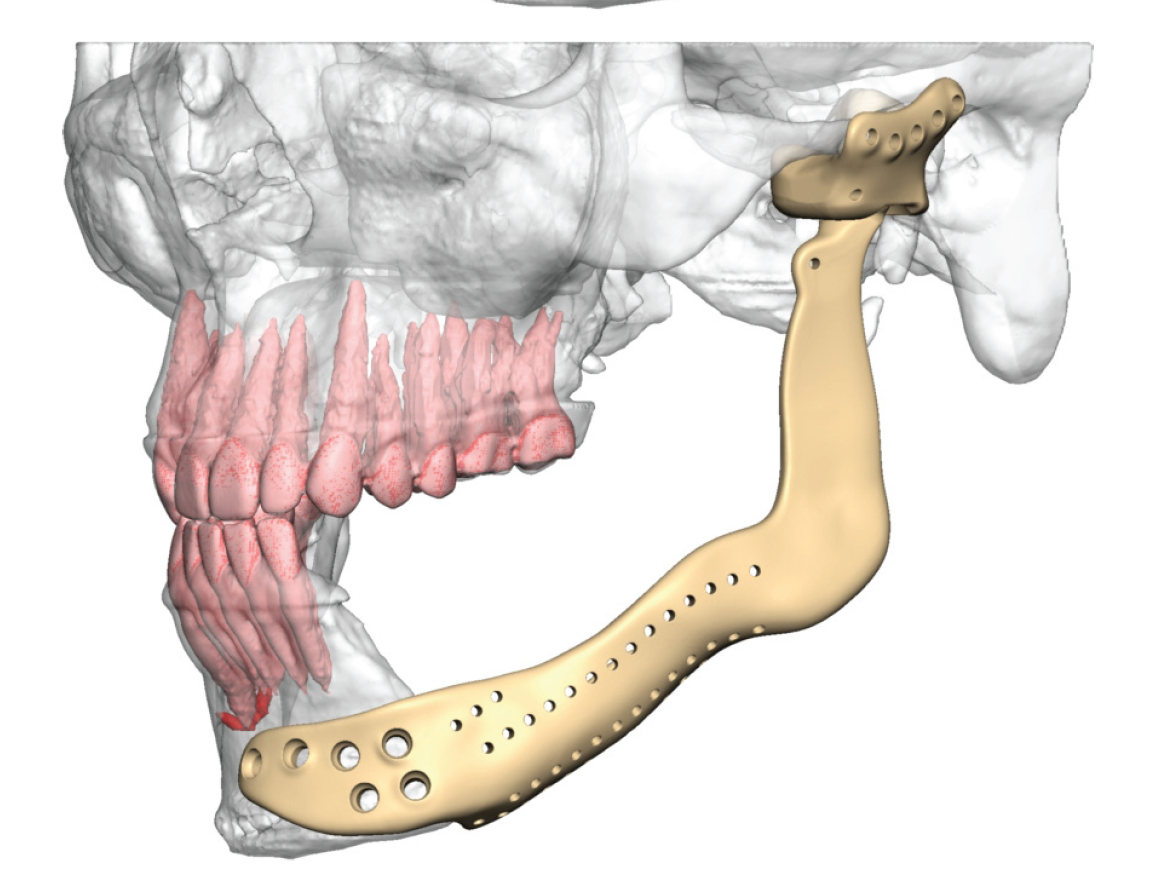
3D virtual surgical planning: tumor identification and custom reconstruction
Advanced & Complex Implant Placement: VR-Guided Planning & Rehearsal
VR-guided surgical rehearsal for precise, predictable implant placement
Explore Other Procedures
Have Questions About Tumor Resection & Jaw Reconstruction?
Schedule a consultation to discuss if this procedure is right for you